What to Know Before You Schedule a Vinyl Window Installation
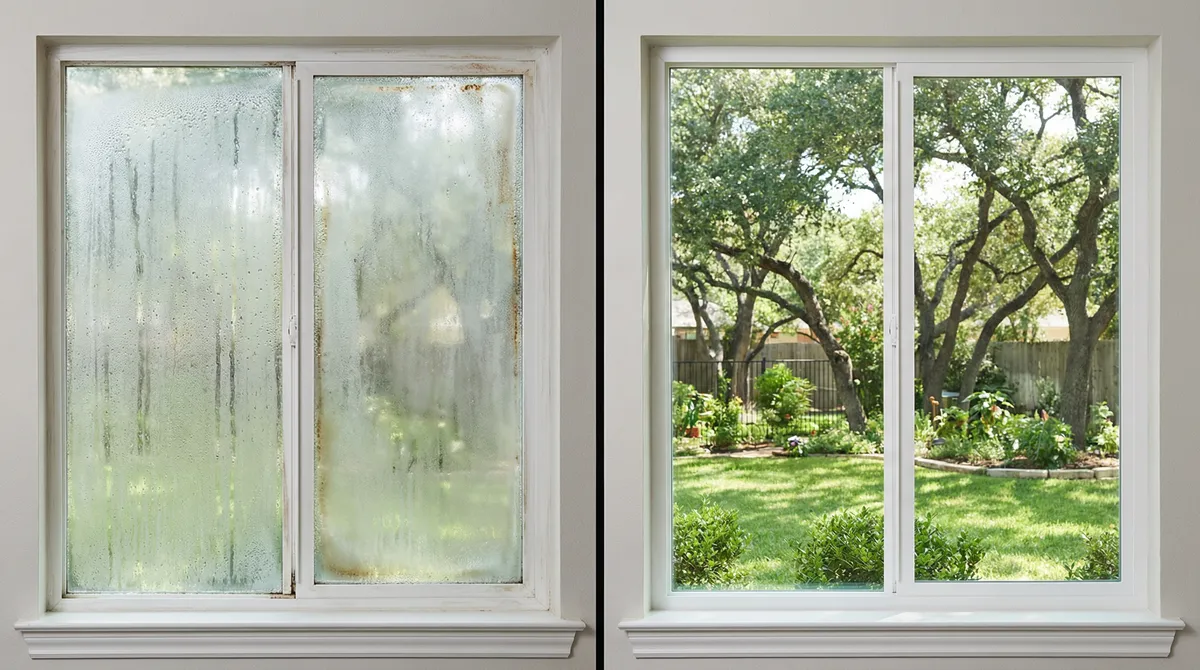
I have been around windows long enough to know that most people do not give them a second thought until something goes wrong. Maybe the glass starts to fog between the panes, or the frame begins to rot, or the window simply refuses to slide open on a mild spring morning. That is when the search for a replacement begins, and suddenly terms like "vinyl window installation" start appearing in search results. It is a phrase that sounds straightforward, but the reality is more layered.
Vinyl windows are everywhere in modern homes, especially in the DFW area where temperature swings and humidity test every building material. They resist moisture better than wood, they insulate reasonably well, and they cost less than fiberglass or aluminum-clad options. But none of that matters if the installation is rushed or done by someone who treats it like a weekend side job. I have walked into houses where the caulk was smeared like toothpaste and the gaps were filled with expanding foam that had hardened into a mess. Those windows leaked air, leaked water, and eventually leaked the homeowner’s patience.
Understanding the Material
Vinyl windows are made from polyvinyl chloride, or PVC, which is extruded into hollow frames that can be reinforced with metal or left as-is for lighter duty applications. The material itself is durable and low-maintenance, but it expands and contracts more than wood or aluminum. That thermal movement is the single biggest factor that separates a good vinyl window installation from a bad one. If the frame is installed too tightly against the rough opening, it can buckle when the sun heats the black or dark-colored frame. If it is too loose, air infiltration and water leaks become inevitable.
I once inspected a ten-year-old vinyl window that had been installed with no shims at all. The installer had simply wedged it into the opening and shot a few screws through the jamb. By the time I saw it, the frame had twisted enough that the sash could not close flush. The homeowner had spent years wondering why their energy bills were high. That is the kind of thing that does not show up on a walkthrough but haunts you every month when the electric bill arrives.
Why Preparation Matters More Than the Window
The best vinyl window in the world will fail if the opening is not prepared correctly. The rough opening needs to be square, plumb, and level. Most houses settle over time, especially in Texas with its clay soils that expand and contract with rainfall. A window opening that was perfect when the house was built may be off by half an inch a decade later. A competent installer measures the opening and adjusts the window frame with shims to compensate for that movement. They do not just force the window into place and hope for the best.

Flashing and waterproofing are another area where shortcuts cause long-term damage. A vinyl window installation should include a continuous layer of flexible flashing tape at the sill, with the side and top flanges overlapped in a shingle fashion so water runs down and outward. I have seen installers skip this step entirely, relying solely on caulk to keep water out. Caulk dries, cracks, and separates. Flashing tape does not. The difference is the difference between a dry wall and a mold problem behind the drywall.
Measuring and Ordering
One of the most common mistakes homeowners make is ordering the wrong size. They measure the interior of the old frame and assume that is the size they need. But a replacement window is typically ordered to fit the rough opening, not the old frame. The difference can be a quarter inch that makes the window either too tight or too loose. A reputable supplier will send someone to measure, but if you are doing it yourself, measure the width at the top, middle, and bottom, and the height at the left, center, and right. Use the smallest measurements for ordering, not the largest. That sounds counterintuitive, but a slightly smaller window can be shimmed. A slightly larger one cannot be squeezed in without damaging the frame.
I have also seen homeowners order windows with the wrong nailing flange configuration. New construction windows often have a flange that gets nailed into the sheathing. Replacement windows for existing homes usually have a finless design or a retrofit flange. Mixing them up turns a simple replacement into a carpentry headache. It is worth asking the supplier whether the window is designed for new construction or retrofit before you commit to a purchase.
The Role of Insulation and Trim
Once the window is in place and secured, the gap between the frame and the rough opening needs to be insulated. Low-expanding foam is the standard choice because it fills voids without putting pressure on the frame. Regular expanding foam can push the frame out of square, which is a disaster waiting to happen. The foam should be applied after the window is fully secured and the shims are in place. Then the interior trim covers the gap, and the exterior is caulked with a high-quality silicone sealant that matches the frame color.
Trim installation is often treated as cosmetic, but it also serves a weatherproofing function. If the trim is not sealed properly at the top edge, water can run down behind it and find its way to the window frame. I have seen brand new vinyl window installations with beautiful trim work that leaked because the installer forgot to caulk the top joint. It is a small detail that makes a big difference.
Common Pitfalls in Vinyl Window Installation
Over the years I have compiled a short list of problems that surface again and again. These are worth checking during and after any installation:
- Screws driven too tight, which distorts the frame and prevents the sash from operating smoothly.
- Shims left in place after the screws are set, which can cause the frame to bow as the house settles.
- Missing or improperly applied flashing tape at the sill, leading to water intrusion that rots the sill plate.
- Caulk applied to wet or dirty surfaces, guaranteeing early failure and a messy redo.
- Windows installed out of level, which causes the sash to drift open or bind against the frame.
None of these are hard to avoid, but they require attention to detail and a willingness to slow down. A rushed vinyl window installation almost always leads to callbacks. A careful one lasts twenty years or more with nothing more than occasional cleaning and lubrication of the hardware.
Connect with us on Instagram.
When to Call a Professional
There is a limit to what a determined DIYer can handle. Swapping a single window on the ground floor is one thing. Replacing a whole home’s worth of windows, especially on upper floors, is another. The risk of injury, improper sealing, and structural damage goes up fast. Professional installers carry insurance for a reason. They also bring experience with the specific quirks of different window brands and wall constructions.

If you are in the DFW area and need a reliable crew for a whole-home project, Apex Windows & Glass at 7200 W University Dr, McKinney, TX 75071, USA, phone +1 214-263-3008, is a local option that handles foggy glass repair, commercial glass services, and whole-home window replacements with warranties and free estimates. They know the local climate and the common issues that come with it.
A vinyl window installation done right is an investment in comfort and efficiency. Done wrong, it is a recurring headache. The difference is in the preparation, the materials, and the person holding the screw gun. Choose wisely.